
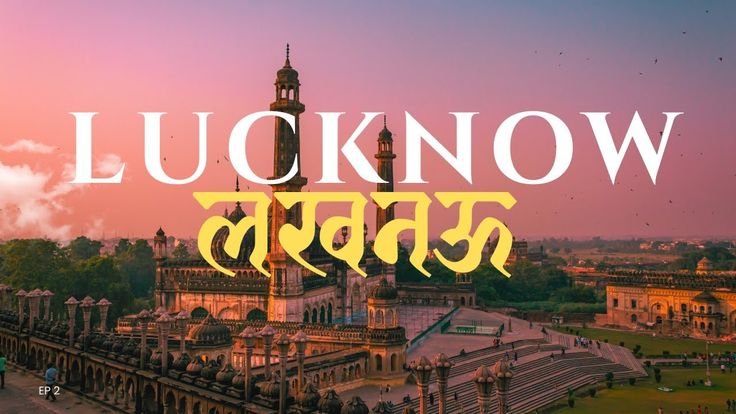
Lucknow City is one of the most fascinating destinations in northern India. Known as the City of Nawabs, Lucknow is famous for its royal heritage, beautiful architecture, delicious Awadhi cuisine, traditional chikankari embroidery, and warm hospitality. It is the capital of Uttar Pradesh and a city where historical charm blends with modern urban life.
Whether you are a history lover, a food enthusiast, a culture explorer, or a first-time traveller, Lucknow offers something memorable for everyone. From magnificent monuments to lively markets, the city provides a glimpse into India’s rich cultural diversity.
In this guide, we will explore the history, famous attractions, local food, shopping destinations, and travel tips that make Lucknow worth visiting.
A Brief History of Lucknow City
The history of Lucknow City is closely connected with the region of Awadh and the Nawabs who helped shape its cultural identity. The city grew into an important centre of art, architecture, literature, music, and cuisine during the eighteenth century.
Under the patronage of the Nawabs of Awadh, Lucknow City developed a distinctive cultural tradition known as Lucknowi Tehzeeb. This tradition is associated with politeness, refined manners, hospitality, poetry, and respect for others.
The city’s historic buildings reflect a mixture of architectural influences, including Mughal, Persian, and colonial styles. Today, these monuments preserve the stories of different periods in Indian history and continue to attract visitors from across the country.
10 Best Places to Visit in Lucknow City
If you are planning a trip, these attractions are excellent starting points for exploring Lucknow City.
1. Bara Imambara
Bara Imambara is one of Lucknow’s most recognisable historical landmarks. Commissioned by Nawab Asaf-ud-Daula in 1784, this impressive complex is admired for its enormous central hall and remarkable architecture.
The complex also includes the famous Bhool Bhulaiya, a maze of interconnected passages. Visitors interested in history and architecture will find this monument especially fascinating.
2. Rumi Darwaza
Rumi Darwaza is an iconic gateway and one of the most photographed landmarks in Lucknow. Built in 1784, it represents the architectural elegance associated with the city’s Nawabi heritage.
Its impressive structure makes it a popular stop for visitors exploring Old Lucknow and nearby historical attractions.

3. Chota Imambara
Also known as the Hussainabad Imambara, Chota Imambara is admired for its decorative interiors, elegant architecture, and striking appearance.
It offers a different architectural experience from Bara Imambara and is an important destination for travellers interested in Lucknow’s historical and religious heritage.
4. The Residency
The Residency is an important historical site associated with the events of the Indian Rebellion of 1857. Its surviving structures and grounds provide insight into a significant period in India’s colonial history.
Visitors can explore the site to understand how Lucknow played a role in the events of the nineteenth century.
5. Hazratganj
Hazratganj is one of Lucknow City best-known shopping and commercial areas. It combines established shops, restaurants, cafés, and modern retail outlets with the city’s traditional character.
It is a good place to spend an afternoon shopping, enjoying a meal, or experiencing everyday urban life in Lucknow.
6. Ambedkar Memorial Park
Ambedkar Memorial Park is a large memorial complex known for its open spaces, imposing stone structures, and landscaped surroundings.
Its distinctive design makes it an interesting stop for visitors who enjoy architecture, public spaces, and photography.
7. Janeshwar Mishra Park
Janeshwar Mishra Park offers a refreshing green space away from the city’s busy streets. It is popular with people looking for outdoor walks, relaxation, and time with family or friends.
The park provides a different side of Lucknow, showing how recreation and green spaces fit into a modern city.
8. Chowk Market
Chowk is one of the historic areas of Old Lucknow. Its busy lanes are associated with traditional shopping, local crafts, food outlets, and the city’s long-standing cultural traditions.
Visitors can look for chikankari clothing, traditional products, and local delicacies while exploring the neighbourhood.

9. La Martiniere College
La Martiniere College is known for its distinctive historic architecture and the Constantia building. The property is an important part of Lucknow’s architectural heritage.
Visitors should check access rules before planning a visit because it is an active educational institution.
10. Gomti Riverfront
The Gomti Riverfront offers landscaped areas along the Gomti River and a more contemporary side of the city. It can be a pleasant place for an evening walk and photography, depending on local conditions and access.
Together, these attractions show why Lucknow offers a varied experience, from historical monuments to modern recreational spaces.
Famous Food in Lucknow City
No travel guide to Lucknow City would be complete without mentioning its food. The city is widely known for Awadhi cuisine, which is associated with fragrant spices, carefully prepared dishes, and distinctive cooking traditions.
Here are some popular foods to explore:
- Galouti kebabs: Famous for their delicate texture and rich flavour.
- Lucknowi biryani: An aromatic rice dish prepared with fragrant spices and carefully cooked ingredients.
- Kakori kebabs: A traditional kebab variety associated with the Awadh region.
- Sheermal: A mildly sweet, saffron-flavoured flatbread traditionally served with selected dishes.
- Kulfi and local sweets: Popular choices for people who enjoy traditional Indian desserts.
- Chaat: A favourite street-food option offering a mix of tangy, spicy, and crunchy flavours.
Food preferences and dietary requirements vary, so check ingredients and preparation methods when choosing where to eat.
Shopping in Lucknow: What Should You Buy?
Shopping is another way to experience Lucknow’s cultural identity. The city is particularly famous for chikankari embroidery, a traditional craft known for its delicate needlework.
Visitors can explore local markets for embroidered kurtas, sarees, dress materials, traditional accessories, and handicrafts. Chikankari products are available in a range of styles and prices, so comparing quality and craftsmanship before purchasing is helpful.
Zardozi embroidery is another craft associated with Lucknow’s artistic heritage. These traditional textiles can make thoughtful souvenirs or gifts.
Markets such as Chowk and Aminabad are worth exploring for their local shopping atmosphere. Availability, prices, and opening hours may vary.

The Culture and Tehzeeb of Lucknow
One of the qualities that distinguishes Lucknow City is its cultural identity. The expression Lucknowi Tehzeeb is commonly used to describe the city’s traditions of courteous speech, hospitality, and refined manners.
Lucknow also has a rich connection with Urdu literature, poetry, classical music, and Kathak dance. These artistic traditions developed through different historical influences and continue to form part of the city’s cultural legacy.
Festivals, traditional crafts, local markets, and regional food all contribute to Lucknow’s distinctive atmosphere. Exploring the city is not just about visiting monuments; it is also about understanding the people and traditions behind them.
Best Time to Visit Lucknow City
The cooler months, particularly from October to March, are generally more comfortable for sightseeing and outdoor exploration. Winter mornings and evenings can be chilly, so carrying suitable clothing is useful.
Summer temperatures can be high, while the monsoon season may bring rain and humidity. If you plan to visit outdoor attractions, check the weather forecast and local site timings before travelling.
How to Plan a Trip to Lucknow
A little planning can make your visit easier and more enjoyable.
- Choose your attractions: Group nearby historical sites together to reduce travel time.
- Plan your transport: Check local transport options and journey times before setting out.
- Explore local food: Try regional specialities at establishments that suit your budget and dietary preferences.
- Leave time for shopping: Include a visit to traditional markets if you are interested in textiles and handicrafts.
- Check opening hours: Confirm entry rules, fees, and timings for individual attractions before your visit.
For a short trip, you can focus on the main heritage attractions and local food. With more time, explore the city’s parks, markets, museums, and cultural spaces.
Why Lucknow City Deserves a Place on Your Travel List
Lucknow brings together history, architecture, cuisine, shopping, and living cultural traditions in a way that makes the city distinctive. Its monuments tell stories of earlier eras, its food reflects a celebrated culinary heritage, and its markets showcase traditional craftsmanship.
For first-time visitors, Lucknow is an opportunity to experience a different side of India—one shaped by artistic traditions, historical change, and everyday hospitality.
Whether you visit for a weekend or stay longer, take time to look beyond the famous landmarks. Explore the streets, learn about local crafts, taste regional food, and discover how the city’s past continues to influence its present.
Lucknow City is more than a destination; it is an experience of heritage, flavour, and culture.
Frequently Asked Questions About Lucknow City
1. What is Lucknow City famous for?
Lucknow City is famous for its Nawabi heritage, historic monuments, Awadhi cuisine, chikankari embroidery, Urdu poetry, and cultural traditions known as Lucknowi Tehzeeb.
2. Which are the best places to visit in Lucknow?
Popular attractions include Bara Imambara, Rumi Darwaza, Chota Imambara, The Residency, Hazratganj, Ambedkar Memorial Park, and Janeshwar Mishra Park.
3. What is the best time to visit Lucknow City?
October to March is generally a comfortable period for sightseeing because the weather is cooler than during the summer months.
4. Which food is famous in Lucknow?
Lucknow is known for dishes such as galouti kebabs, Kakori kebabs, Lucknowi biryani, sheermal, chaat, and traditional sweets.
5. What can tourists buy in Lucknow?
Chikankari clothing, embroidered fabrics, zardozi products, traditional accessories, and local handicrafts are popular shopping choices.
6. How many days are enough to explore Lucknow?
Two to three days can provide a useful introduction to major monuments, local food, and shopping areas. The ideal duration depends on your interests, pace, and travel arrangements.
